
Recurring Payments Built for Stability.
Automate authorized payments for memberships, treatment plans, subscriptions, donations, retainers and other ongoing customer relationships, with processing built around the way your business actually operates.
Collect authorized payments on an established schedule without rebuilding every transaction.
Spend less time chasing the same payment month after month.
Build payment flows around memberships, programs, subscriptions and donations.
Make sure the processor understands recurring billing before your revenue depends on it.
Years in Complex Payments Processing
US-Based Support
Avg. Approval Time
Merchant Relationships Established
Recurring billing can make revenue more predictable. It can also make the business significantly more dependent on its payment infrastructure. If a customer relationship is designed to continue for six months, twelve months or longer, the payment system has to support more than the first successful transaction.
Businesses need to think about:
Customer authorization
Billing frequency
Stored payment credentials
Failed payments
Expired or replaced cards
Cancellation requests
Chargebacks or disputes
Processor underwriting
Changes in recurring volume
For USA Payments, recurring billing is not simply an autopay feature. It is part of the merchant’s overall processing model.
The customer agrees to the amount, frequency and billing terms. Clear authorization matters because future transactions may occur without the customer completing checkout again.
Modern processing systems commonly use tokenization and other security controls rather than repeatedly handling raw card information.
Future transactions are submitted according to the agreed billing schedule.
Weekly
Monthly
Quarterly
Annually
Cards expire. Accounts change. Banks decline transactions. The right environment accounts for what happens when a payment fails, not only when it succeeds.
For businesses collecting ongoing membership fees in exchange for continued access, services or benefits.
Healthcare, wellness and aesthetic businesses can collect scheduled payments over the life of an ongoing program.
Support monthly, annual or other recurring arrangements where customers keep paying for access to a product or service.
Nonprofits can create ongoing donor relationships through monthly, quarterly or annual contributions.
Professional services can automate authorized retainers, recurring invoices and scheduled payment arrangements.
Something else in mind?
If your customers pay you more than once, there is usually a way to structure it.
Recurring processing introduces issues that do not exist in the same way with a one-time transaction.
The first successful payment does not tell you what the next twelve will look like.
1
2
3
4
5
6
7
8
9
10
11
12
Payment 1 cleared. Payments 2–12 are still unknown.
If recurring revenue depends on automatic rebills, payment failures can directly affect retention and cash flow. A declined transaction that nobody follows up on can become a cancelled customer without the business realizing it.
Customers should understand what they are paying for, how much, how often, when billing occurs and how to modify or cancel. A recurring model that depends on customers forgetting they enrolled is not sustainable.
A merchant processing one-time transactions does not have the same payment profile as one charging the same customers every month. We want recurring activity understood from the beginning, not discovered later.

Memberships, monthly treatment plans and skincare programs often run alongside everyday card sales and high-ticket procedures on one merchant account. That makes the whole payment structure matter more than autopay.

Cash-pay practices bill recurring for ongoing care, HRT/TRT programs, wellness plans and functional medicine. The payment environment should clearly reflect how those programs actually operate and how the business was originally underwritten.

Telemedicine combines remote transactions with ongoing relationships. Recurring billing can fit memberships and programs, but authorization, billing descriptors, cancellation practices and processor fit all matter much more in telehealth.

Recurring donations turn occasional giving into predictable support through monthly gifts, annual giving, membership dues and sponsorships. The experience should stay simple and transparent for donors.
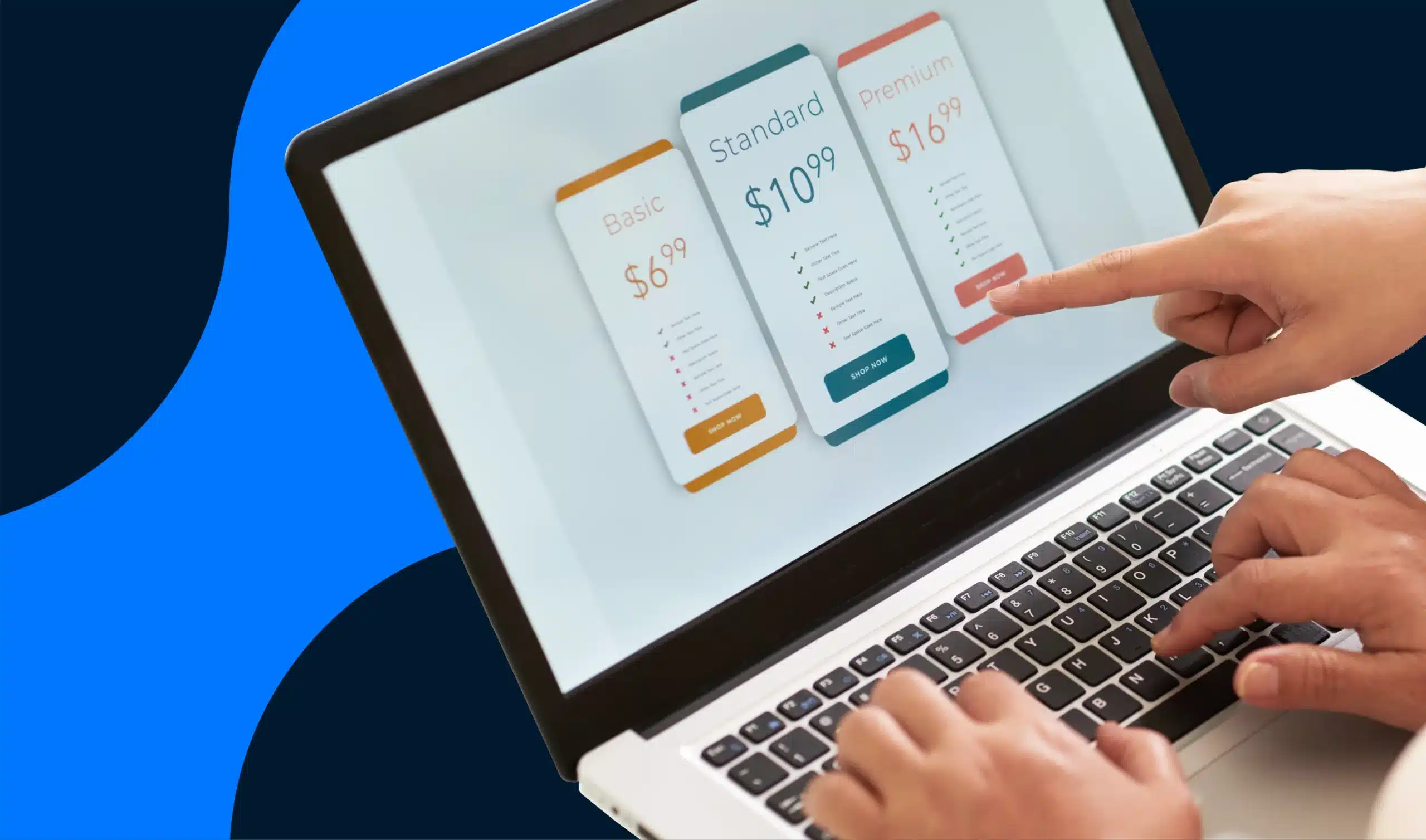
For subscription and membership models, recurring payments may represent most of the revenue. That means processing stability isn’t a secondary concern. It’s part of the operational infrastructure.

Higher chargeback exposure, remote transactions, unusual fulfillment or deeper underwriting don’t rule out recurring billing. The processor must understand the business and its recurring model.
Recurring payments do not have to use one payment rail.
The strongest answer is often not ACH or cards.
A MedSpa might use cards for a standard membership and ACH for a higher-value program. A nonprofit may accept recurring card donations while giving larger donors the option to pay from their bank account.
We look at the transaction and the customer relationship before determining the payment rail.
| Credit Cards | ACH | |
|---|---|---|
| Funding source | Credit or debit card | Bank account |
| Customer familiarity | Extremely high | High for recurring bank payments |
| Credential changes | Cards can expire or be replaced | Bank relationships may remain stable longer |
| Transaction economics | Typically card-based pricing | Different ACH pricing structure |
| Authorization | Recurring card authorization | ACH recurring authorization |
| High-value recurring payments | Convenient, but card costs scale with value | Often worth evaluating |
| Best fit | Broad consumer recurring payments | Appropriate direct bank-funded relationships |
The strongest answer is often not ACH or cards.
A MedSpa might use cards for a standard membership and ACH for a higher-value program. A nonprofit may accept recurring card donations while giving larger donors the option to pay from their bank account.
We look at the transaction and the customer relationship before determining the payment rail.
We do not look at recurring billing as a feature you simply switch on. Before recommending the setup, we want to understand:
What are you selling?
Why is the payment recurring?
How often?
How does the customer enroll?
What share of volume will recur?
Fixed or variable amounts?
How can the customer cancel or modify?
How does the processor view the business?
How are recurring terms communicated?
Then we determine how recurring payments should fit into the broader payment environment.
Recurring transactions may run through credit cards, debit cards, ACH or other supported methods. The objective is not to force every recurring transaction onto one rail. It is to determine which payment method makes sense for the relationship.
Recurring revenue becomes more valuable as it grows, and it also makes the business more dependent on the payment account. If most of your monthly revenue processes automatically, an account disruption affects far more than one day’s transactions.
Recurring payments should not surprise customers. Clear enrollment, understandable billing terms, recognizable descriptors and reasonable cancellation processes all reduce unnecessary confusion and disputes. We would rather build a relationship customers understand than rely on friction.
Recurring transactions may run through credit cards, debit cards, ACH or other supported methods. The objective is not to force every recurring transaction onto one rail. It is to determine which payment method makes sense for the relationship.
Programs expand, pricing changes, billing frequency changes, volume grows and new services launch. We provide human support beyond approval so the payment environment can be reviewed as the business evolves.
Recurring payment processing allows a business to automatically collect authorized payments from a customer according to an agreed billing schedule.
Common use cases include memberships, subscriptions, treatment programs, retainers, recurring donations, and other ongoing customer relationships.
Not always.
Subscriptions are one type of recurring-payment relationship.
Recurring billing can also support memberships, donations, treatment plans, retainers, and scheduled payment arrangements.
Yes.
Credit and debit cards are commonly used for recurring transactions when the appropriate customer authorization is in place.
Yes.
ACH can support recurring bank-account payments when the appropriate authorization and processing setup are in place.
Recurring payments may fail because of:
Available recovery tools depend on the gateway and recurring-payment technology being used.
Yes.
Recurring card payments may be subject to chargebacks, while recurring bank payments may be subject to applicable return or unauthorized-payment rules.
Recurring authorization does not make a transaction dispute-proof.
Recurring-payment systems can use tokenization and other security technologies to reduce the need for businesses to repeatedly handle sensitive payment information.
Security still depends on the underlying gateway, processor, business practices, and implementation.
Recurring billing introduces additional considerations including:
The level of risk depends on the underlying business and how the recurring relationship is managed.
Potentially.
Eligibility depends on factors including:
Industry
USA Payments works with businesses in more complex payment environments to determine whether the recurring model and processing structure are appropriate.
Yes.
Recurring payments are commonly used for monthly, annual, or other ongoing donor commitments.
Depending on the setup, nonprofits may be able to offer recurring card payments, ACH, or other supported payment options.
Predictable billing shouldn’t create unpredictable processing problems.